Ecologies of Care: Urban-to-Rural Migration and Environmental Practices in the Miyako Islands
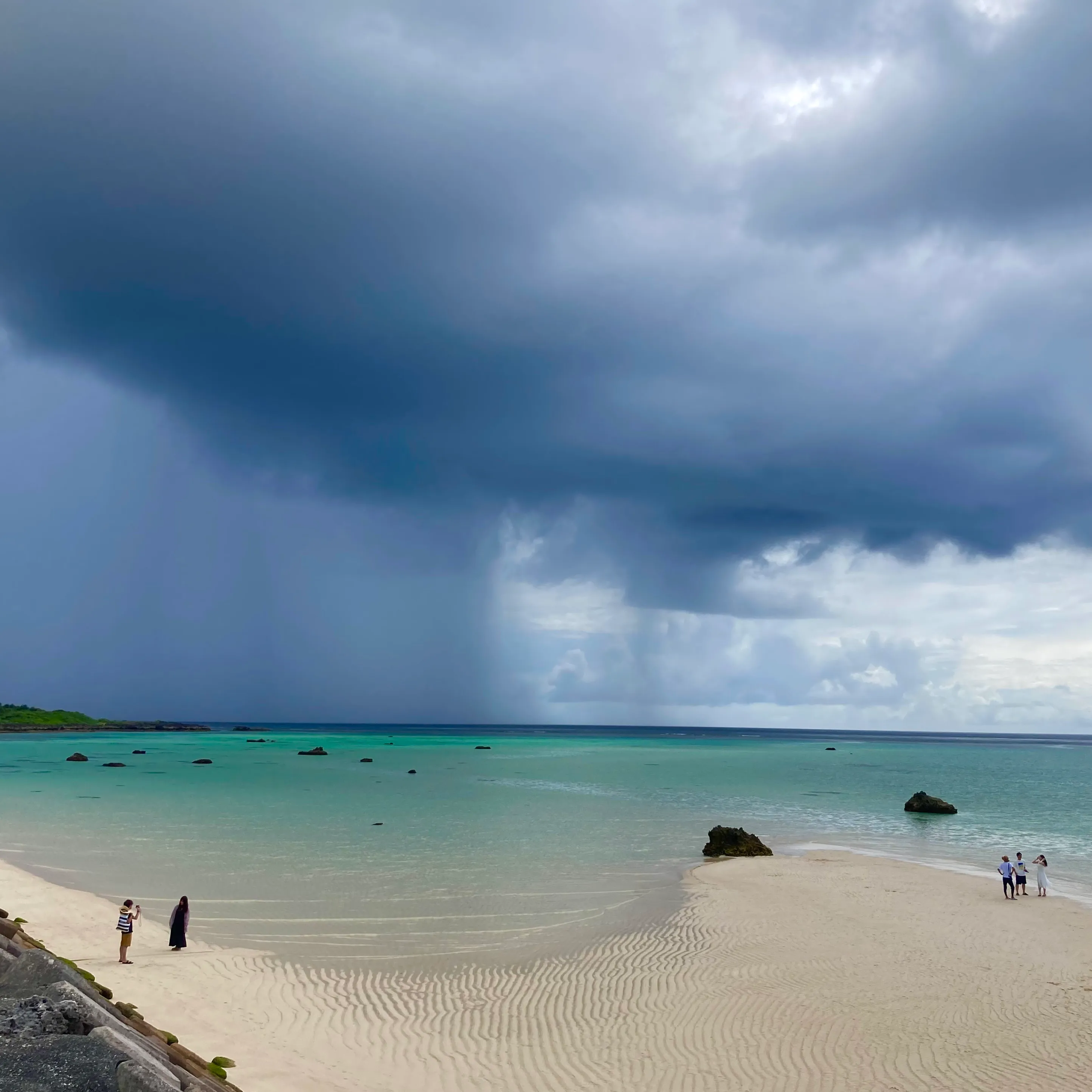
This dissertation is an ethnographic analysis of the environmental care practices of mainland Japanese migrants in Miyakojima, Okinawa Prefecture. Through the concept of ecologies of care, this study explores how newcomers experience and perform more-than-human care on the islands, and what their practices do beyond their ecological intentions.
Set against the historical background of Okinawa-mainland relations and the rapid tourist and migration growth that Miyako is currently experiencing, this dissertation focuses on migrants who narrate their relocation in terms of healing from contemporary Japan. Motivated by emotions of gratitude and obligation to reciprocate the care they received from Miyako, newcomers with often no prior involvement in environmentalism come to position themselves as caretakers of the islands’ natural world. Based on ethnographic fieldwork that combines digital and non-digital methodologies, I examine how environmental care shapes socio-political relationships in Miyako through mundane practices in everyday life
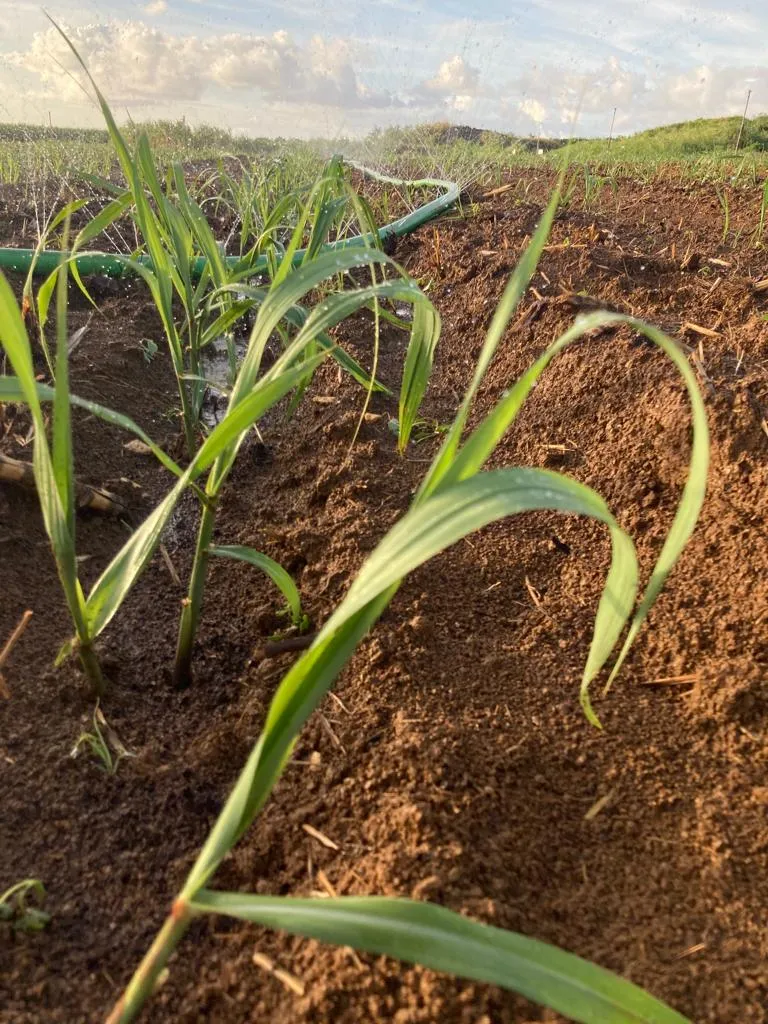
The dissertation argues that environmental practices are key sites where historical asymmetries between mainland Japan and Okinawa are renegotiated and reproduced. Among the many environmental pressures Miyako is currently facing, migrants’ concerns center on three particular ecological issues: marine debris, stray animals, and agricultural chemicals. These issues are attributed to local residents and informed by postwar narratives circulating in mainland Japan. Translating these discourses into practices, environmental activities offer mainland migrants a vehicle for identity-making, including what it means to be Okinawan, Japanese, and how these identities relate to one another. In so doing, newcomers narrate the local population as indifferent to nature while positioning themselves as moral authorities. Environmental care on Miyako is thus ambivalent, as it connects newcomers affectively to the islands while simultaneously reproducing the asymmetries that set mainland Japan and Okinawa apart. By tracing how genuine ecological concerns become entangled with enduring power relations, this study contributes to debates on Okinawa-Japan identity conflicts, urban-to-rural migration in Japan, and more-than-human care theory.